
Oregon winters aren’t brutal because of snow and ice, they’re tough because of months of steady rain, moisture, and limited dry windows. From Eugene to Salem to Corvallis, that constant wet weather can expose small roofing issues and turn them into expensive repairs if they’re ignored.
The good news? A little proactive roof maintenance goes a long way. These winter roof maintenance tips are designed specifically for Oregon homeowners, helping you protect your roof, your home, and your peace of mind during the rainy season. It’s important to get your roof ready before the rainy season starts to prevent issues when winter arrives.
Key Takeaways
- Oregon’s winter rain is tougher on roofs than many homeowners realize
- Small issues can quickly turn into leaks if ignored
- Regular maintenance and inspections help prevent costly repairs
- Winter is a smart time to assess roof performance, not wait for spring
Common Winter Roof Problems in the Pacific Northwest
Before jumping into the checklist, it helps to understand what Oregon roofs are up against:
- Roof leaks during heavy rain
- Moss and algae growth on shingles, especially on asphalt shingle roofs; algae stains can also develop and cause discoloration
- Clogged gutters and downspouts
- Flashing failures around chimneys, vents, and skylights
- Moisture buildup in attics due to poor ventilation
Regular removal of moss and debris from the roof’s surface is essential to preventing roof damage. Avoid using high-pressure washing, as it can damage shingles.
Most of these issues don’t start as emergencies, but they can become one if left unchecked.

Winter Roof Maintenance Checklist
1. Clear Gutters and Downspouts
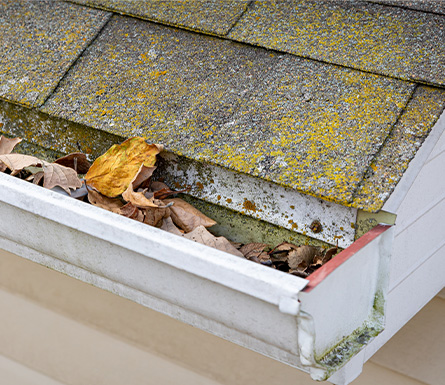
Free-flowing, clean gutters are critical during Oregon’s wet winter months. When leaves, pine needles, and debris build up, water can back up onto the roof instead of draining away, increasing the risk of leaks and moisture damage.
Make sure gutters and downspouts are clear and directing water away from the home. You can use a garden hose to check for proper flow and flush out small blockages. A leaf blower works well for removing loose debris without damaging shingles. If debris buildup is a recurring issue, gutter guards can help reduce ongoing maintenance.
Regular gutter checks throughout the winter help prevent drainage problems and keep water moving where it belongs, off the roof and away from your home.
What to check:
- Gutters flowing freely during rainfall
- Downspouts directing water away from the foundation
- No sagging or separation along gutter lines
2. Watch for Moss and Algae Growth
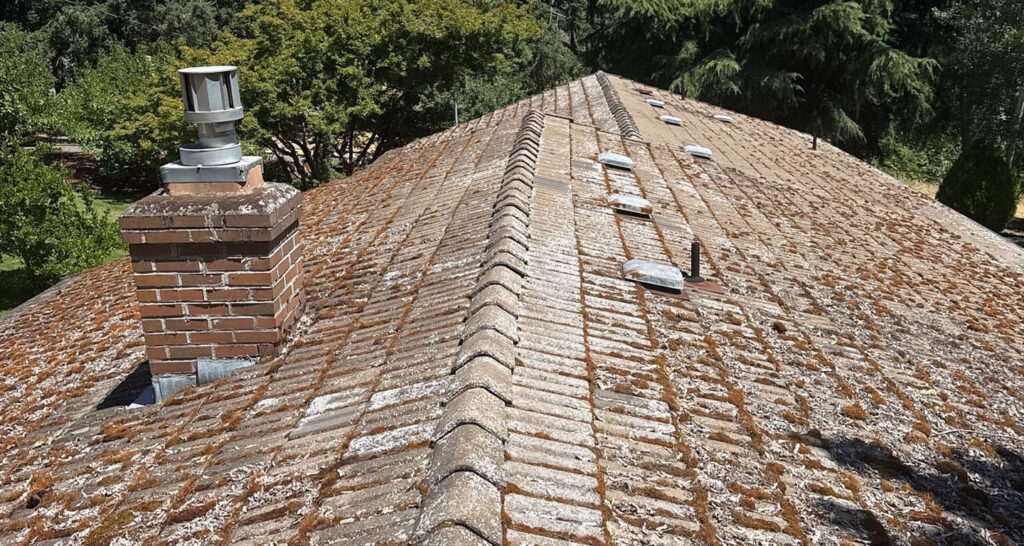
Moss thrives in Oregon’s damp climate, especially on shaded roof sections. While it may look harmless, moss holds moisture against shingles and can shorten the life of your roof.
What to check:
- Green patches or buildup between shingles
- Shingles lifting or curling where moss is present
- Avoid pressure washing, improper removal can cause more damage than good.
3. Inspect Flashing and Roof Penetrations
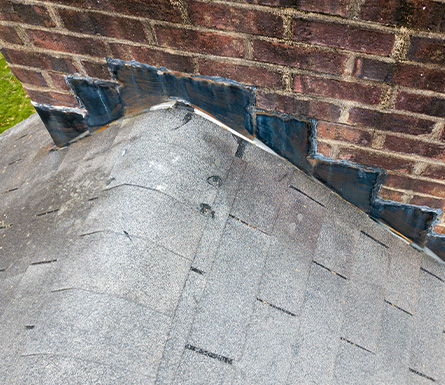
Flashing is one of the most common failure points on any roof, especially in wet weather.
Pay close attention to:
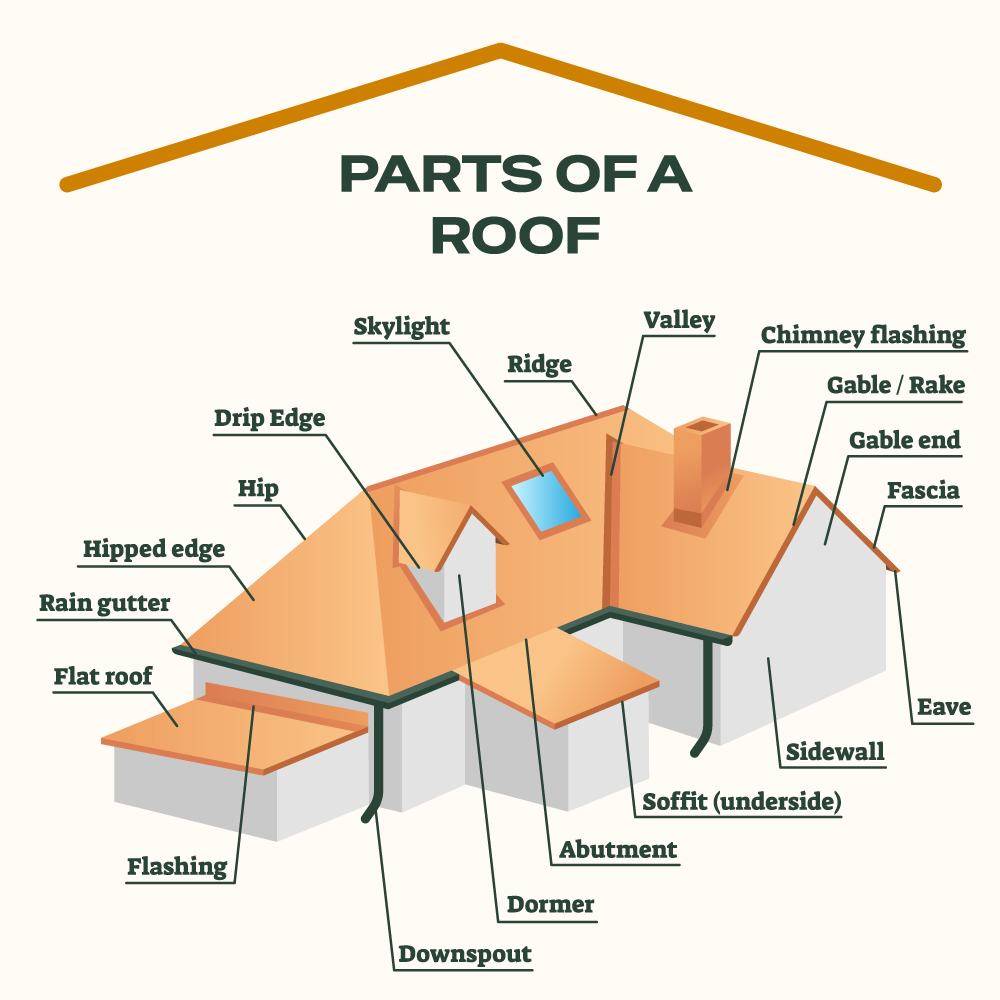
- Chimneys
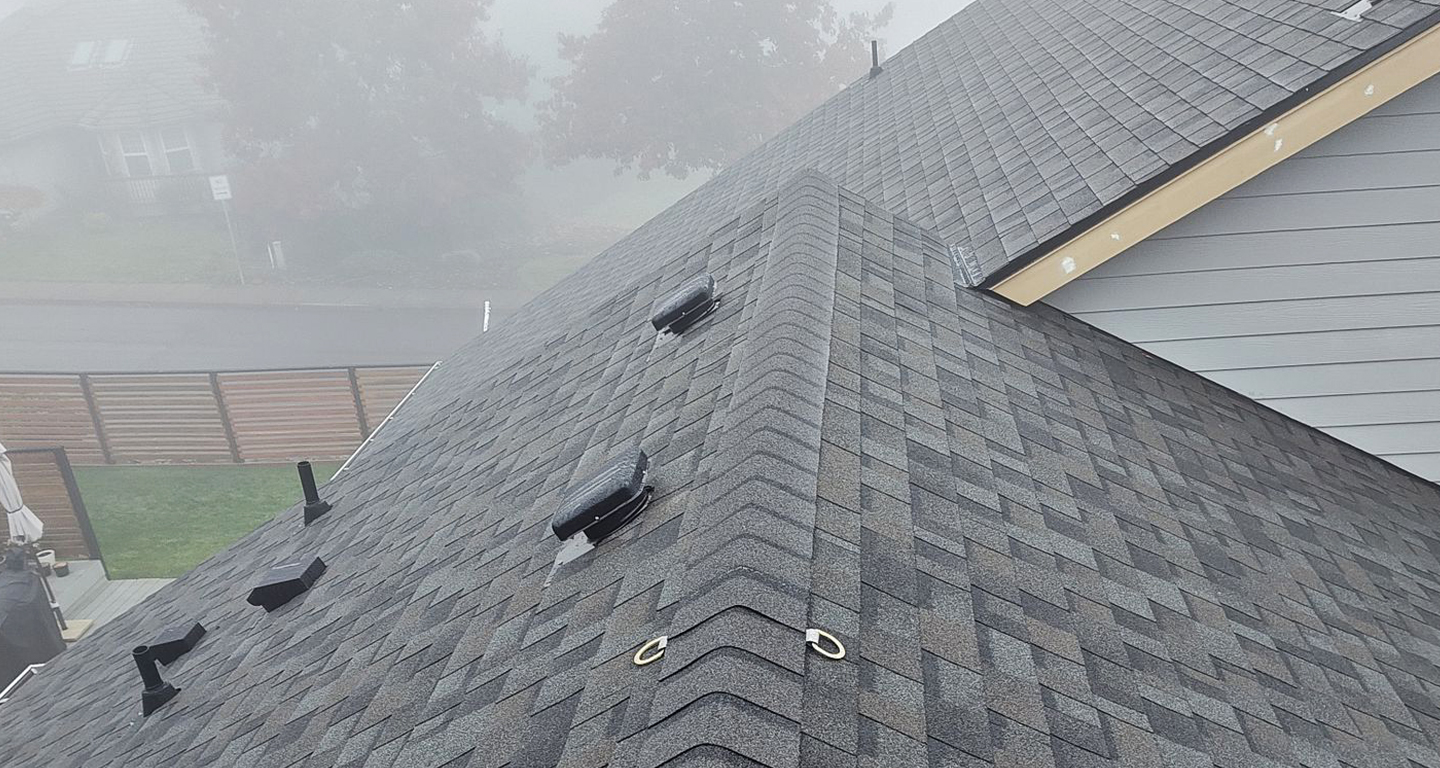
- Vent pipes
- Skylights
- Wall-to-roof transitions
- Ridge vents
Cracked sealant or loose flashing can allow water in long before you see signs inside the home. After storms, check for wind damage to flashing and roof penetrations, as these areas are especially vulnerable. Inspect the roof for missing or cracked shingles, damaged flashing, and sagging spots.
4. Check the Attic for Moisture Issues
Winter roof problems don’t always start on the roof surface. It’s important to check attic spaces for adequate insulation and proper attic and roof ventilation, as these are key to preventing winter roof issues.
Proper attic insulation and ventilation are crucial to prevent ice damming during winter. Make sure attic vents are unobstructed to maintain consistent roof temperatures and prevent moisture buildup. Proper attic ventilation is also essential for regulating temperature and moisture, helping to prevent mold.
Inside your attic, look for:
- Damp insulation
- Water staining on rafters or decking
- Condensation buildup
These are often signs of ventilation issues that can quietly cause long-term damage.
5. Scan for Early Warning Signs After Heavy Rain
After a stretch of steady rain, take a quick walk through your home.
Watch for:
- Water spots on ceilings or walls
- Musty odors
- Dripping sounds during storms
Catching these early can prevent structural damage and mold issues.

Do You Need a Roof Inspection in Winter?
Yes, and in Oregon, a professional inspection during winter is often when problems are first discovered.
Visual checks from the ground and regular roof maintenance helps catch small roof issues before they escalate into major problems.
A professional winter roof inspection focuses on:
- Leak detection
- Flashing integrity
- Drainage performance
- Overall roof condition in wet weather
Many residential roofing issues can be addressed quickly if they’re caught early, even during winter.
A Smarter Way to Protect Your Roof This Winter
Winter roof maintenance isn’t about overreacting, it’s about staying ahead of problems before they spread. Taking steps to protect your home’s roof is essential for safeguarding your property during harsh winter weather. Scheduling a professional roof inspection before winter storms can help identify potential issues and prevent costly damage.
If you’re unsure about your roof’s condition, or if something doesn’t look right after a storm, having it checked by IronHead Roofing can give you clarity and confidence moving into the rest of the rainy season. Neglecting regular maintenance may eventually lead to situations where repairs are no longer sufficient, making roof replacement the only viable solution.
Questions about your roof this winter?
If you’re already seeing signs of leaks, moisture, or ongoing roof issues, or you’re unsure whether repairs are enough, it may be time to get a professional opinion. Contact IronHead Roofing to talk through your options and next steps.