
Spring Checklist
Winter in the Pacific Northwest can be tough on commercial roofs. Months of rain, wind, and occasional storms in the Willamette Valley often leave roofing systems dealing with moisture buildup, debris, clogged drainage, and early signs of wear.
For property managers, spring is the ideal time to inspect, maintain, and plan roofing services before small issues become expensive repairs. A structured commercial roof maintenance checklist helps protect your building, extend the life of your roof, and prevent disruptions to tenants and businesses. Whether you manage retail spaces, offices, or industrial buildings, this guide outlines what to inspect, what maintenance to schedule, and when to bring in a commercial roofing company.
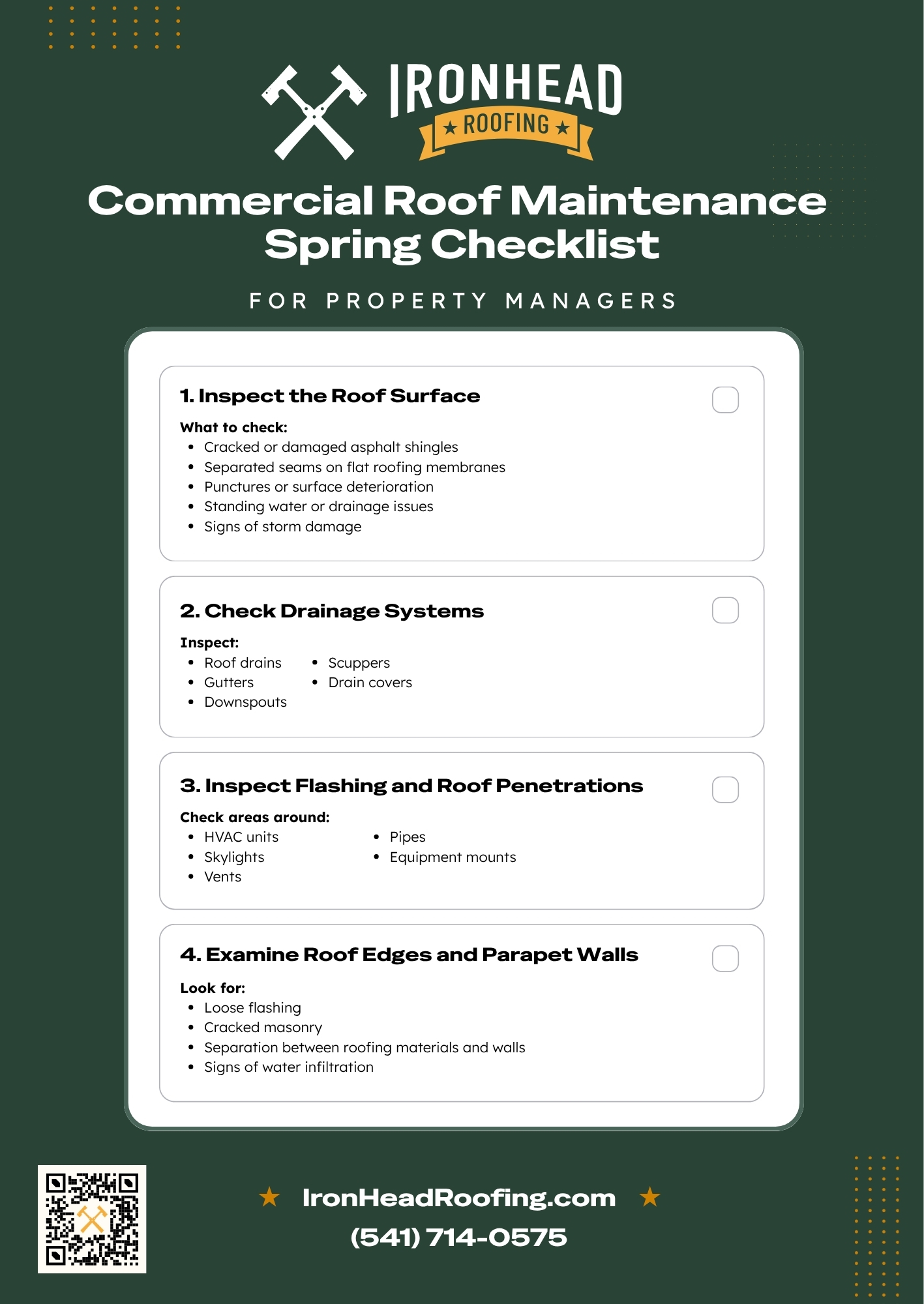
Why Spring Roof Maintenance Matters for Commercial Properties
Commercial roofing systems are a significant investment. Without routine maintenance and inspections, minor damage can quickly lead to leaks, structural issues, and costly roof replacement projects.Spring inspections allow property managers to:
- Identify storm damage from winter weather
- Check for leaks or moisture intrusion
- Inspect flashing, drains, and seams
- Plan maintenance before peak summer heat
- Maintain building safety and code compliance
Routine roof maintenance protects both the building and the businesses operating inside it. Preventative maintenance also helps property managers stay on budget by avoiding emergency roof repair or unexpected full roof replacement.
Commercial Roof Maintenance Checklist for Spring
Below is a practical commercial roof inspection checklist property managers can use each spring.
1. Inspect the Roof Surface
Start by visually inspecting the entire roof surface. Look for signs of wear, aging materials, and damage from winter weather. Common things to inspect include:
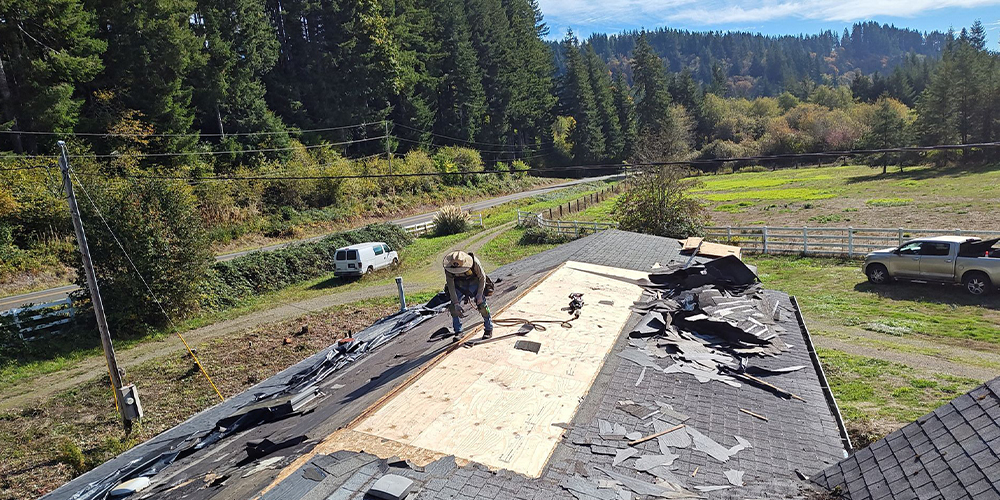
- Cracked or damaged asphalt shingles
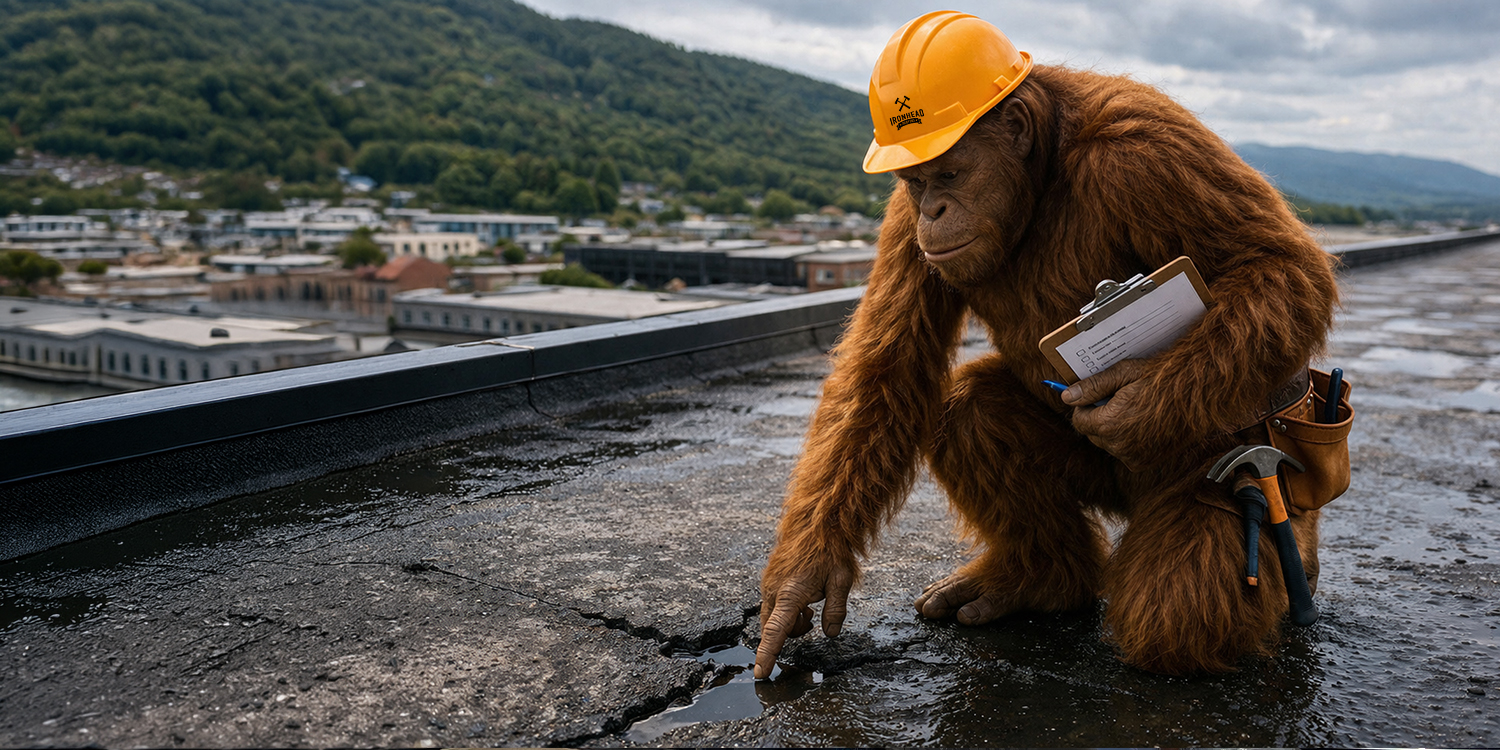
- Separated seams on flat roofing membranes
- Punctures or surface deterioration
- Standing water or drainage issues
- Signs of storm damage
Even small issues can grow quickly if ignored. Early inspection helps prevent larger commercial roofing repairs.
2. Check Drainage Systems
Drainage is critical for commercial roofing projects, especially in the rainy Oregon climate. Inspect:
- Roof drains
- Gutters
- Downspouts
- Scuppers
- Drain covers
Debris buildup can trap water and create long-term moisture problems. Proper drainage helps protect the building structure and extend the life of your roofing system.
3. Inspect Flashing and Roof Penetrations
Roof penetrations are one of the most common sources of roof leaks.
Check areas around:
- HVAC units
- Skylights
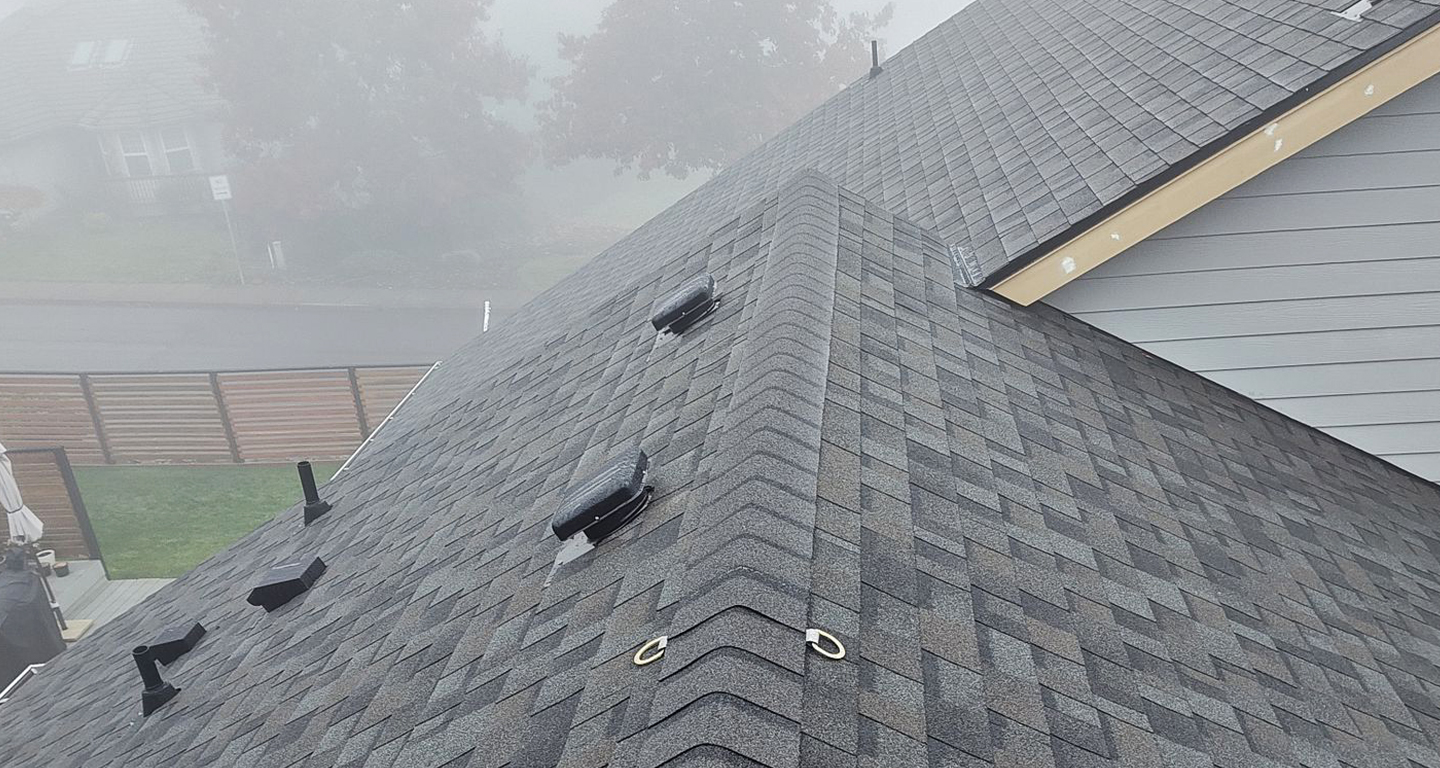
- Vents
- Pipes
- Equipment mounts
Damaged flashing or sealant can allow water to enter the building envelope. A professional commercial roofing contractor like IronHead Roofing can expertly handle repairs before they turn into major issues.
4. Examine Roof Edges and Parapet Walls
Roof edges and parapet walls often experience the most wind exposure during winter storms. Look for:
- Loose flashing
- Cracked masonry
- Separation between roofing materials and walls
- Signs of water infiltration
These areas are essential for protecting the roof system and maintaining the overall integrity of the building.
Planning Roof Maintenance for the Year
Spring inspections are also the best time to plan upcoming commercial roofing services. A maintenance plan may include:
- Scheduled roof inspections
- Preventative roof repairs
- Drainage cleaning
- Sealant replacement
- Budget planning for future roof replacement
This approach allows property managers to maintain peace of mind knowing the roofing system protecting their building is in good condition.
When Property Managers Should Call a Roofing Contractor
Some maintenance tasks can be handled internally, but most commercial roofing systems should be inspected by experienced roofers. A professional roofing company should be contacted if you notice:
- Persistent roof leaks
- Large areas of roofing damage
- Standing water
- Structural concerns
- Signs of membrane failure
Professional commercial roofing contractors like IronHead Roofing, bring the expertise, safety equipment, and knowledge of building code requirements necessary to complete roofing work safely and correctly.
Commercial Roofing in the Willamette Valley
Commercial roofs in Albany, Corvallis, and throughout the Willamette Valley face unique challenges due to the region’s wet climate. Proper roofing design, quality materials, and routine maintenance are essential for protecting buildings across the Pacific Northwest.
At IronHead Roofing, our team handles a wide range of commercial roofing projects, including inspections, maintenance, roof repair, and full roof replacement. We work with property managers and business owners to deliver quality workmanship and dependable roofing solutions.
Schedule Commercial Roof Maintenance This Spring
Spring is the right time to get ahead of roofing issues, not just identify them. Scheduling routine commercial roof maintenance helps address small problems early, extend the life of your roof, and avoid costly repairs down the road.
A proper maintenance plan goes beyond a one-time inspection. It includes clearing drainage systems, sealing vulnerable areas, addressing minor damage, and making sure your roof is ready for the months ahead. This kind of proactive approach keeps your building protected and your budget predictable. If you manage commercial properties in Albany, Corvallis, or surrounding communities, IronHead Roofing can help you build a maintenance plan that fits your property and long-term goals.